

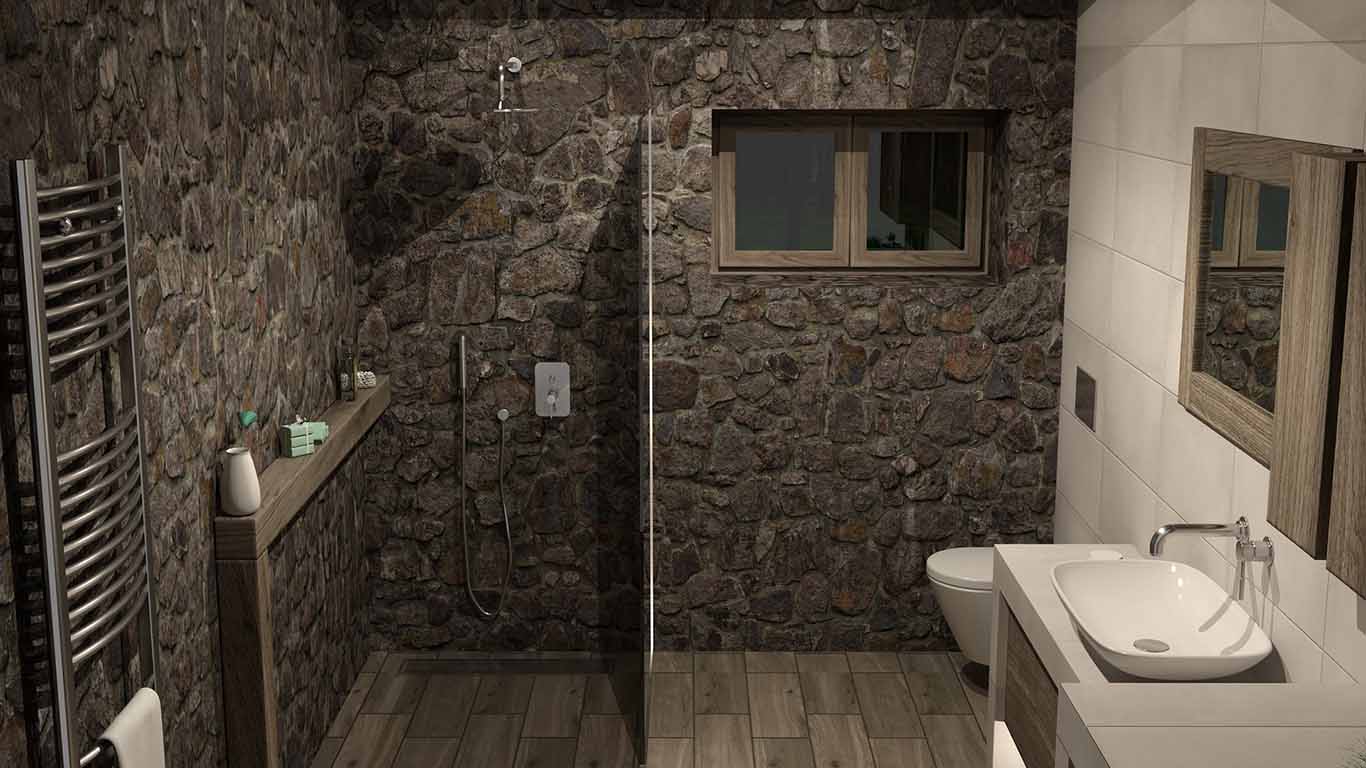
The wall systems in the bathroom are subjected to continuously being moist, hot and getting cleaned a lot. The areas that are highly stressed by environmental factors include tub and shower areas. The inadequacy of wall material tends to remain silent behind the completed walls.
Such failures usually lead to the development of molds and structural damages. The selection of bath tub wall should be done carefully basing on the water resistance, the material durability, and the installation reliability.
Buyers are demanding more performance rather than surface appearance as a homeowner. The wall systems should secure the framing, insulation, and plumbing timber. Poor decisions increase the maintenance expenses in the long run. Considerable planning results in the safer and more durable bathroom settings.
Reality Of The Moisture Exposure
Tub and shower walls are required to bear the constant contact of water. Condensation, steam and splashing occur on surfaces on a daily basis. Even slight water invasion leads to slow decadence behind walls.
Constant moisture makes substrates weak and favorable to the growth of microbes. Wall systems are good barriers to the transmission of both liquid and vapor water. The weakest points of failures are still joints.
Patterns having less seams are more protective. Moisture resistance is over a long period and maintains structural integrity. Preventive design decreases the number of the repair. The most important functional priority is the moisture control.
Testing Of Strength Of Material
Wall longevity and performance directly depend on the selection of the materials. Unprops substances are resistant to swelling and degradation. Thick constructions are stable to changes in temperature helps to avoid rework. Functional design decisions are in favor of usability.
Poor materials break or bend when they are used. The surface finishes should be safe in regular cleaning chemicals. Consistency in the manufacture makes the thickness and strength the same.
Structural rigidity promotes fixtures mounted in the structure and does not move. Hard materials save the cases of early replacement. Durability adds up to the value of total renovation. Quality of material is superior to aesthetics.
Quality Impact Of Installation
Wall systems can be used to establish the level of accuracy in their installation, whether they work as planned. The substrates should be flat, dry and solid. Poor preparation results in pressure points of panels. Substandard sealing lets intrusion of water with time.
Properly built shower tub walls create a continuous waterproof wall. Instructions of the manufacturers should be obeyed. Warranty is usually cancelled and lifespan is minimized by malfunction during installation.
Professional craft ensures reduced possibilities of repairs in future. When it is well aligned, it improves its performance and looks. Installation quality ensures the protection of the whole assembly of the bathroom.
Dependence On Cleaning And Maintenance Factors
The cost of maintenance influences their usability and hygiene. Smooth walls do not allow soap scum to be developed easily. Less seams minimize the build-up of molds and mildew.
Finishes that are chemical resistant are safe with regularly used cleaners. Delicate substances need extensive cleaning. Minimal maintenance systems promote regular sanitation. Convenient maintenance helps in the hectic household routine.
Long life finishes are used on surfaces that are frequently washed. The efficiency of maintenance reduces the cost of ownership. Real care enhances satisfaction in the long-term.
Design Compatibility Planning
Wall systems should be able to blend with tubs and fixtures. Thickness affects alignment of trim and plumbing transitions. Incompatible does not leave holes and irregularities. Harmless aesthetics favor later renovation.
Patterns are incredibly decorative, which means that they reduce long-term flexibility. The location of seam influences perceptual continuity across walls. Equal distributions enhance comfort in small-sized bathrooms.
Orchestrated finishes improve the perception of quality of construction. Planning of Compatibility helps to avoid rework. Functional design decisions are in favor of usability.
Conclusion
Wall systems in bathrooms are very crucial in terms of durability and safety. The most important performance requirement is the moisture resistance. Quality supplies will serve longer.
Contact Proper installation eliminates subsurface damage and leakage. Maintenance is hygienically and conveniently supported. Design compatibility enhances the usability in the long term.
Innovation decisions in the form of performance safeguard investments in renovations. Citizens enjoy informed material assessment. Wall systems are reliable to provide dependable daily use. Intelligent design provides sustainable bathroom functionality.