

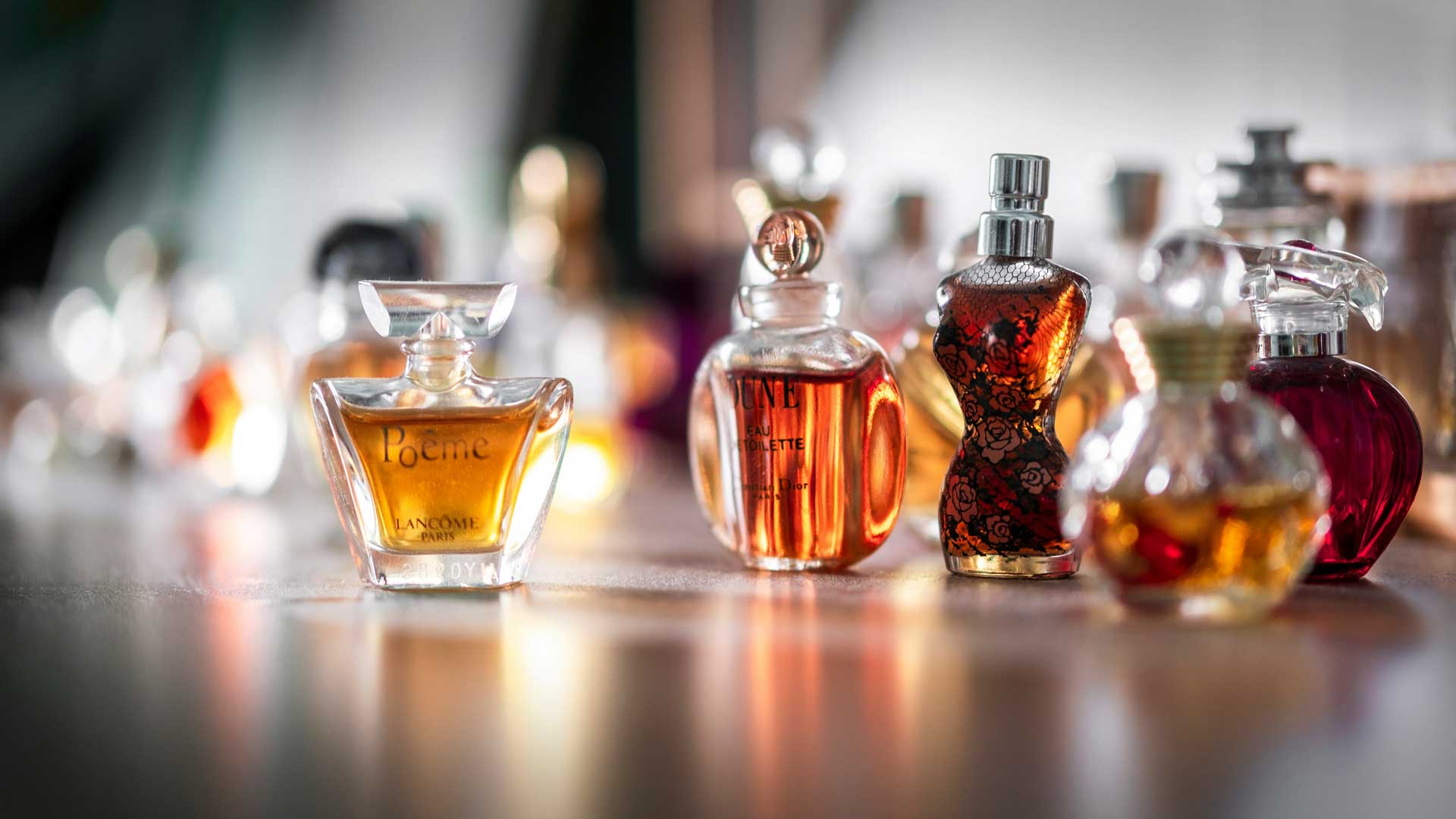
Fragrance now plays a bigger role in shaping customer experience, brand identity, and the feel of a space. Many businesses in hospitality, retail, healthcare, residential, and corporate settings see how scent can affect emotions, memories, and customer choices. Still, choosing the right fragrance for a business setting takes thoughtful evaluation and smart planning.
This is where fragrance samples play a critical role. Before implementing a scent strategy across an entire facility or brand experience, organizations often utilize fragrance sampling programs to evaluate scent profiles, customer reactions, environmental compatibility, and overall effectiveness. Fragrance testing allows businesses to make informed decisions while minimizing risk and maximizing customer satisfaction.
Why Scent Selection Matters in Commercial Environments
Our sense of smell is closely linked to the parts of the brain that handle emotions and memories. Unlike other senses, a scent can spark instant feelings and leave lasting memories.
Research in consumer psychology and sensory marketing has shown that fragrance can influence:
- Customer satisfaction
- Emotional engagement
- Brand recognition
- Memory retention
- Purchasing behavior
- Perceived quality
- Environmental comfort
Since fragrance has such a strong impact on how people feel, picking the right scent for a business needs careful thought and testing.
What Are Fragrance Samples?
Fragrance samples let businesses test scents on a small scale to see how they perform, what customers like, and how well they fit the space before making a big commitment.
These samples may include:
- Individual fragrance oils
- Blended scent profiles
- Signature fragrance concepts
- Test cartridges
- Sample vials
- Scent strips
- Diffuser-compatible samples
The main goal of fragrance sampling is to let businesses try out a scent in real conditions before making a long-term choice.
Why Businesses Use Fragrance Samples
Rolling out a scent strategy without testing can lead to problems. A fragrance that smells great in one place might not work as well in another because of things like airflow, temperature, how many people are around, and who the customers are.
Businesses utilize fragrance sampling to:
- Evaluate scent quality
- Compare fragrance profiles
- Test environmental compatibility
- Gather customer feedback
- Assess fragrance intensity
- Verify brand alignment
- Reduce implementation risks
Testing helps businesses make smart, informed choices about their scent branding.
The Role of Fragrance in Customer Experience
Today, businesses understand that customer experience is about more than just products or services. The environment also shapes how customers feel and what they think.
Fragrance can contribute to:
Enhanced Brand Identity
A carefully selected scent can reinforce brand characteristics such as:
- Luxury
- Comfort
- Professionalism
- Wellness
- Hospitality
- Innovation
- Sophistication
With time, customers can start to link certain scents with a specific business or place.
Improved Customer Satisfaction
Pleasant environmental fragrances may help create:
- Greater emotional comfort
- Enhanced customer experiences
- Increased dwell time
- Positive first impressions
- Stronger customer loyalty
Better Environmental Perception
Fragrance can influence how individuals perceive:
- Cleanliness
- Quality
- Safety
- Comfort
- Professionalism
- Attention to detail
Since these impressions shape how customers act, choosing the right fragrance is a key business decision.
Types of Fragrance Samples Available
Businesses can choose from many different types of fragrance samples.
Scent Strip Samples
Scent strips provide an initial evaluation of fragrance characteristics.
Benefits include:
- Quick testing
- Easy comparison
- Convenient distribution
- Initial scent evaluation
- Low-cost assessment
But scent strips do not always show how a fragrance will work in a real space.
Liquid Fragrance Samples
Liquid samples allow organizations to evaluate fragrances more accurately.
These samples may be used for:
- Environmental testing
- Longevity assessment
- Intensity evaluation
- Customer feedback
- Comparative analysis
Diffuser Test Samples
Many commercial fragrance programs provide samples designed specifically for diffusion systems.
These allow businesses to evaluate:
- Airborne performance
- Space coverage
- Fragrance intensity
- Environmental interaction
- Customer response
This method usually gives the most accurate idea of how a fragrance will perform in a business setting.
Customized Fragrance Trials
Some organizations utilize customized fragrance programs that involve:
- Multiple fragrance options
- Controlled testing periods
- Environmental evaluation
- Customer surveys
- Performance analysis
These programs help businesses find scents that match their unique needs and goals.
Factors to Consider When Testing Fragrances
Several variables influence how fragrances perform within commercial environments.
Space Size
The size of the environment affects:
- Fragrance intensity
- Distribution patterns
- Customer exposure
- Coverage requirements
Big spaces often need different scents than smaller ones.
Customer Demographics
Different customer groups may respond differently to various fragrance families.
Factors may include:
- Age demographics
- Cultural preferences
- Industry expectations
- Regional influences
- Customer behaviors
Environmental Conditions
Fragrance performance can vary depending on:
- Temperature
- Humidity
- Ventilation
- Occupancy levels
- Air circulation
- Seasonal changes
Testing scents in real working conditions gives the best results.
Brand Identity
Fragrance selection should align with overall brand positioning.
Questions businesses often consider include:
- What emotions should customers experience?
- What values should the brand communicate?
- What atmosphere should the environment create?
- How should visitors remember the experience?
These considerations help guide fragrance selection decisions.
Industries That Frequently Utilize Fragrance Sampling
Many industries rely on fragrance testing before implementing scent programs.
Hospitality Industry
Hotels and resorts often evaluate fragrance options for:
- Hotel lobbies
- Guest rooms
- Spa facilities
- Restaurants
- Conference areas
- Fitness centers
Guest experience considerations frequently drive fragrance selection.
Retail Businesses
Retail environments may test fragrances to support:
- Customer engagement
- Brand identity
- Shopping experiences
- Product perception
- Customer retention
Healthcare Facilities
Healthcare environments often prioritize:
- Patient comfort
- Wellness support
- Environmental calmness
- Visitor experiences
- Indoor air quality
Subtle fragrance profiles are commonly evaluated.
Corporate Offices
Organizations increasingly test fragrances to improve:
- Employee experiences
- Visitor impressions
- Workplace comfort
- Brand identity
- Environmental quality
Residential Communities
Property managers often evaluate fragrances for:
- Leasing offices
- Clubhouses
- Fitness facilities
- Resident lounges
- Common areas
The way a place smells can have a big impact on how happy residents feel in their community.
The Future of Fragrance Testing
As sensory branding continues to evolve, fragrance evaluation methods are becoming increasingly sophisticated. Advances in consumer analytics, artificial intelligence, environmental monitoring, and scent technology are helping organizations make more informed fragrance decisions. Emerging technologies may allow businesses to personalize scent experiences while improving customer satisfaction and operational efficiency.
The growing importance of customer experience and emotional branding suggests that fragrance samples will remain an essential component of commercial scenting strategies. By carefully evaluating fragrances before implementation, businesses can create memorable environments that strengthen brand identity, enhance customer experiences, and foster long-term emotional connections.