

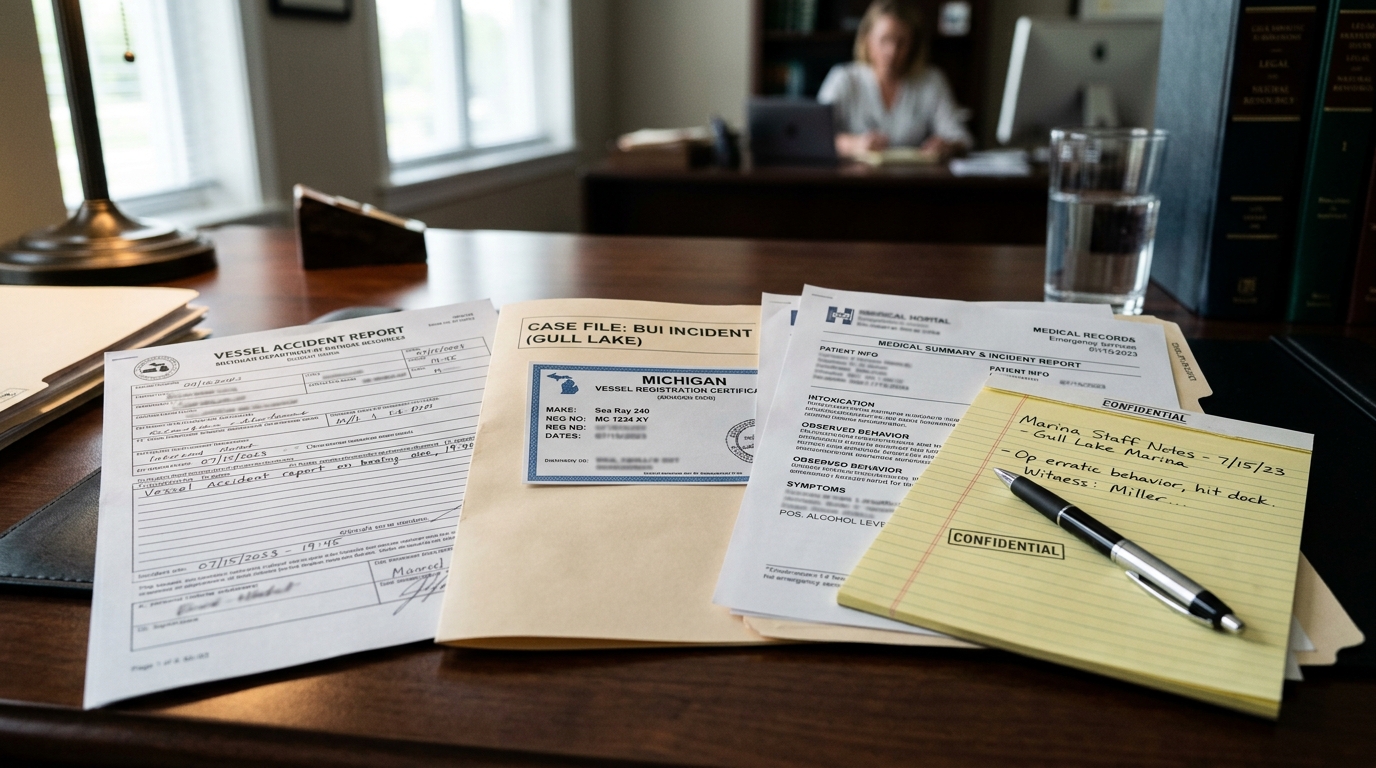
Boating while intoxicated accident claims in New York may involve impaired operation, unsafe speed, poor lookout, passenger injuries, vessel owner liability, rental company issues, alcohol evidence, medical records, and insurance disputes. Alcohol can make boating especially dangerous because water conditions, weather, vessel movement, passengers, speed, visibility, and distance judgment all require careful attention. People reviewing legal options after an impaired boating injury may use a boating accident lawyer Long Island resource to understand how liability, evidence, and damages are generally evaluated.
Quick Answer
A boating while intoxicated accident claim usually depends on whether alcohol or drug impairment contributed to unsafe vessel operation and caused injury. Important evidence may include law enforcement reports, chemical test results, witness statements, passenger accounts, photos, videos, bar or marina receipts, operator admissions, vessel data, accident reports, medical records, insurance documents, and proof of unsafe speed, poor lookout, reckless operation, or unsafe wake activity.
Key Takeaways
- New York law prohibits vessel operation while impaired by alcohol or drugs.
- Alcohol evidence can support a civil injury claim, but the injured person still needs proof of causation, injury, damages, and responsible parties.
- Operators, vessel owners, rental companies, marinas, other boaters, or public entities may need review depending on the facts.
- The U.S. Coast Guard reported that alcohol was the leading known contributing factor in fatal recreational boating accidents in 2024, accounting for 92 deaths, or 20% of total fatalities. (US Coast Guard News)
- New York boating accident reporting rules may require a written report within five days after qualifying accidents involving injury, death, disappearance, or property damage over $1,000. (NYSenate.gov)
- Evidence should be preserved quickly because vessels may be repaired, witnesses may leave, and digital records may disappear.
- Public docks, municipal marinas, public vessels, or government-controlled locations may involve shorter notice requirements.
Why Alcohol Makes Boating Accidents More Dangerous
Alcohol can affect judgment, balance, reaction time, coordination, attention, and decision-making. On the water, those effects can become more dangerous because boaters must also manage wake, glare, wind, waves, shifting passengers, other vessels, swimmers, docks, navigation markers, and changing weather.
Boating accidents involving alcohol may include:
- Boat-to-boat collisions
- Passenger ejection
- Falls on deck
- Dock collisions
- Jet Ski or personal watercraft crashes
- Unsafe wake injuries
- Propeller injuries
- Capsizing
- Swimmer or paddler injuries
- Nighttime visibility problems
- Failure to respond to weather changes
- Drowning-related injuries
A boating while intoxicated claim usually focuses on whether impairment contributed to the unsafe operation and whether that conduct caused the injury.
New York Law on Boating While Intoxicated
New York Navigation Law § 49-A addresses operation of a vessel while under the influence of alcohol or drugs. The statute includes provisions related to operating a vessel while ability is impaired by alcohol, operating while intoxicated, operating while impaired by drugs, chemical testing, and related enforcement issues. (NYSenate.gov)
In a civil injury claim, a BWI charge or alcohol-related investigation may be important, but it does not replace the need to prove the full injury claim. The injured person may still need to show:
- Who operated the vessel
- Whether the operator was impaired
- What unsafe conduct occurred
- How the accident happened
- How the injury was caused
- What medical treatment was needed
- What damages resulted
- What insurance coverage may apply
A criminal or enforcement matter and a civil injury claim are separate proceedings. One may provide useful evidence for the other, but they are not the same case.
Operator Liability After an Impaired Boating Accident
The boat operator is usually one of the first parties reviewed after a BWI accident. New York Navigation Law § 45 requires vessel operators to navigate in a careful and prudent manner and not at a speed greater than is reasonable and prudent under existing conditions and hazards. (FindLaw)
Operator negligence may involve:
- Operating after drinking
- Operating while impaired by drugs
- Excessive speed
- Poor lookout
- Distracted operation
- Unsafe turns
- Failure to yield
- Ignoring no-wake areas
- Operating too close to docks or swimmers
- Creating unsafe wake
- Operating in poor visibility
- Carrying passengers unsafely
- Ignoring weather or water hazards
Alcohol evidence may help explain why an operator failed to react, misjudged distance, ignored warnings, accelerated suddenly, or made unsafe maneuvers.
Vessel Owner Liability
The person operating the boat may not be the owner. The vessel may belong to a friend, family member, marina, rental company, business, or private owner. Ownership matters because New York Navigation Law § 48 addresses owner liability when a vessel is operated negligently with the owner’s express or implied permission. (NYSenate.gov)
Owner-related questions may include:
- Who owned the boat?
- Did the operator have permission?
- Did the owner know the operator had been drinking?
- Did the owner provide alcohol on the boat?
- Was the operator experienced?
- Was the boat properly maintained?
- Was required safety equipment available?
- Was the vessel insured?
- Was the boat rented, borrowed, or used commercially?
If an owner allowed an impaired person to operate the vessel, that fact may become important in the claim. Permission disputes may require text messages, witness statements, marina records, registration records, rental agreements, and insurance documents.
Passenger Injuries in BWI Accidents
Passengers are often injured in boating while intoxicated accidents even though they were not controlling the vessel. A passenger may be thrown during a sharp turn, injured by wake impact, struck during a collision, hurt while boarding, or ejected into the water.
Passenger injury claims may involve:
- Failure to warn before sudden turns
- Excessive speed
- Unsafe seating
- Operator impairment
- Missing life jackets
- Poor passenger instructions
- Overloaded vessel
- Unsafe night operation
- Collision with another vessel
- Failure to return to shore after drinking
A passenger may face blame arguments, but passenger conduct should be reviewed alongside operator impairment, vessel speed, safety instructions, water conditions, and available evidence.
Alcohol Evidence That May Matter
Alcohol evidence should be preserved early because memories fade, receipts disappear, videos are deleted, and witnesses may leave the marina, restaurant, dock, or event location.

Important alcohol-related evidence may include:
- Police or marine patrol reports
- Chemical test results
- Field observations
- Witness statements
- Passenger accounts
- Photos or videos of alcohol on the vessel
- Bar, restaurant, or marina receipts
- Event receipts
- Text messages
- Social media posts
- Operator admissions
- Open containers
- Timeline of drinking
- Emergency responder observations
- Surveillance footage from docks or marinas
The evidence should help answer not only whether the operator consumed alcohol, but whether impairment contributed to the accident.
Law Enforcement and Accident Reports
Law enforcement reports can be important after an impaired boating accident. Officers may document alcohol odor, slurred speech, bloodshot eyes, balance problems, admissions, test results, witness statements, vessel damage, weather conditions, and accident location.
New York Navigation Law § 47-B requires a written report within five days after certain vessel accidents involving death, injury, disappearance under the water, or property damage to any one person over $1,000. (NYSenate.gov)
A boating accident report may help document:
- Date and time
- Waterway or marina location
- Operator identity
- Vessel owner identity
- Passenger information
- Injury details
- Property damage
- Weather and water conditions
- Alcohol or drug concerns
- Witnesses
- Law enforcement involvement
A report is not always complete, but it can provide an official starting point for investigation.
Rental Boat and Jet Ski BWI Accidents
Impaired boating accidents may involve rental boats, Jet Skis, or personal watercraft. A rental company is not automatically responsible because a renter drank alcohol, but the company’s conduct may be reviewed when instruction, supervision, equipment condition, rental records, or known intoxication is at issue.
Rental-related questions may include:
- Did the rental company verify age and identity?
- Were safety instructions provided?
- Was alcohol visibly present before departure?
- Did staff observe intoxication?
- Was the vessel rented to an unqualified operator?
- Were operating rules explained?
- Was the vessel properly maintained?
- Were life jackets provided?
- Were restricted areas explained?
- Were rental records preserved?
A broader boat accident attorney guide may help readers understand why rental, operator, owner, and vessel evidence can overlap in watercraft injury claims.
Marina, Dock, and Event Location Evidence
Some alcohol-related boating accidents begin before the vessel leaves the dock. A marina, dockside restaurant, private event, boat club, or public launch may have records that help explain the timeline.
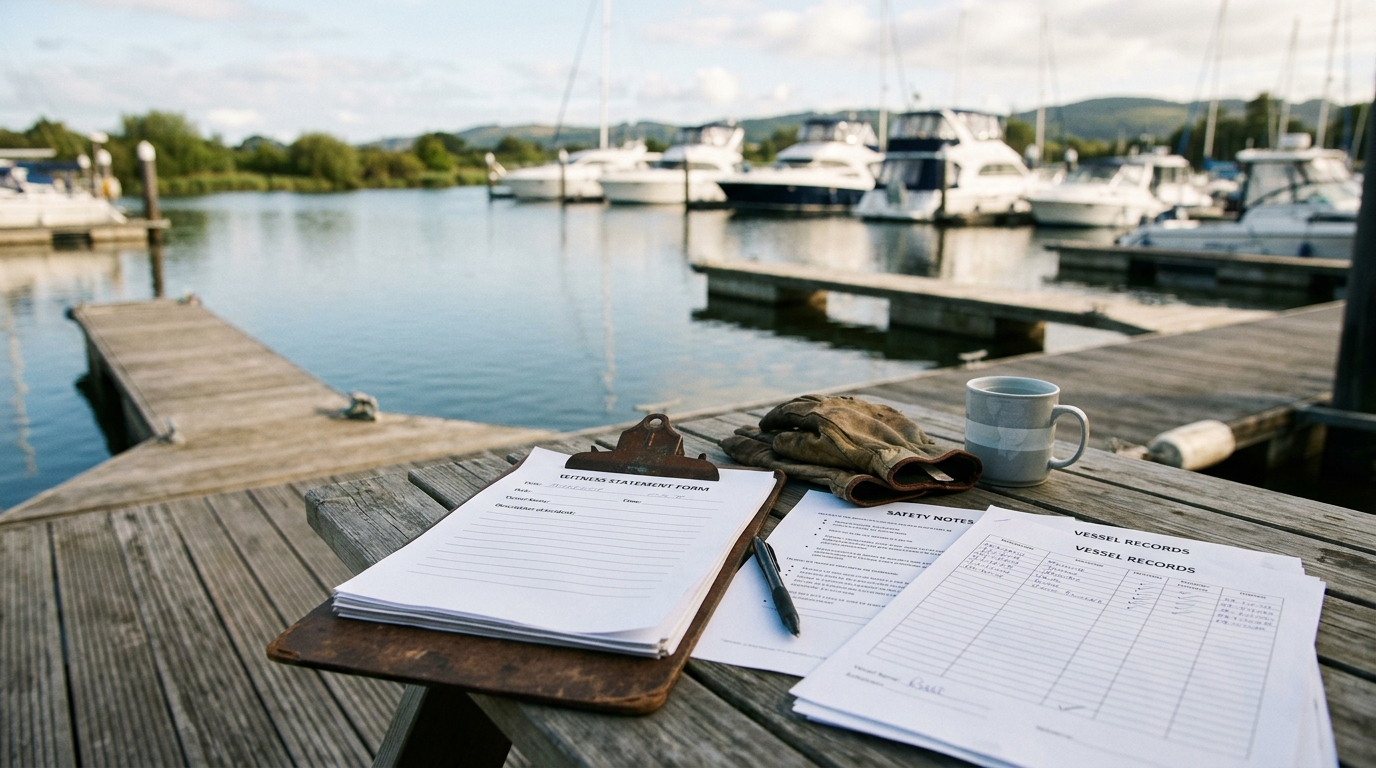
Potential evidence sources may include:
- Dock cameras
- Marina staff observations
- Fuel dock records
- Bar or restaurant receipts
- Parking records
- Departure logs
- Witness statements
- Rental checklists
- Boat club records
- Event photos or videos
- Security reports
- Slip or launch records
A marina or dock may also be part of the injury location. If a passenger is injured while boarding, exiting, falling near the dock, or being struck at a marina, property conditions may also need review.
Unsafe Speed, Wake, and Poor Lookout
Alcohol-related boating accidents often involve unsafe speed, wake, and lookout problems. The operator may fail to see another vessel, misjudge distance, cross too closely, fail to slow near docks, or create a wake that throws passengers or destabilizes another boat.
Evidence may include:
- GPS data
- Chartplotter records
- Passenger statements
- Witness accounts
- Photos and videos
- Waterway congestion
- No-wake signage
- Weather records
- Vessel damage patterns
- Operator statements
- Accident report diagrams
A claim may become stronger when alcohol evidence is combined with objective proof of unsafe operation.
Injuries Commonly Seen in Impaired Boating Accidents
BWI accidents can cause serious injuries because victims may be thrown, struck, submerged, cut, burned, or injured far from immediate medical help.
Common injuries may include:
- Traumatic brain injuries
- Concussions
- Neck injuries
- Back injuries
- Spinal injuries
- Fractures
- Shoulder injuries
- Knee injuries
- Lacerations
- Propeller injuries
- Burns
- Drowning-related injuries
- Hypothermia
- Internal injuries
- Soft tissue injuries
- Psychological trauma
- Wrongful death in severe cases
Medical records help show when symptoms began, what injuries were diagnosed, what treatment was required, and whether the injury affected work or daily life.
Evidence That Can Strengthen a BWI Injury Claim
BWI accident claims are evidence-heavy. The strongest claims usually connect alcohol evidence, unsafe operation, injury causation, medical treatment, and damages.
Helpful evidence may include:
- Boating accident report
- Police or marine patrol report
- Chemical test records
- Photos of vessel damage
- Photos of injuries
- Passenger statements
- Witness names and contact details
- Operator information
- Vessel owner information
- Registration records
- Insurance documents
- Rental or marina records
- Bar or restaurant receipts
- GPS or chartplotter data
- Phone photos and videos
- Weather and water condition records
- Maintenance records
- Medical records
- Lost wage records
- Expert inspection findings
For broader documentation planning, readers may review how evidence for personal injury claims can help connect the accident, injury, responsible party, and damages.
Insurance Coverage After a BWI Accident
Insurance coverage can be complicated after an impaired boating accident. A policy may cover the vessel, owner, operator, rental company, marina, or commercial operation. Insurers may also raise exclusions or coverage disputes when alcohol is involved.

Potential insurance sources may include:
- Boat insurance
- Vessel owner policy
- Homeowner’s insurance
- Umbrella or excess coverage
- Rental company insurance
- Marina liability insurance
- Charter or commercial vessel insurance
- Product liability coverage
- Public entity coverage in limited cases
Insurance disputes may involve permission, intoxication, policy exclusions, commercial use, rental terms, injury severity, and whether the injury happened on the boat, dock, shore, or water.
Comparative Fault and Passenger Blame Arguments
Defendants and insurers may argue that the injured person shared fault. They may claim a passenger chose to ride with an impaired operator, failed to wear a life jacket, ignored instructions, distracted the operator, stood in an unsafe place, or accepted a known risk.
These arguments do not automatically defeat a claim. Important questions include:
- Did the passenger know the operator was impaired?
- Were safety instructions given?
- Did the operator accelerate or turn suddenly?
- Was the passenger placed in an unsafe position?
- Were life jackets available and properly fitted?
- Was the vessel overloaded?
- Did another boat create the hazard?
- Did the rental company or owner contribute?
Fault should be evaluated based on all available evidence, not assumptions.
Public Docks, Public Vessels, and Government-Controlled Locations
Some impaired boating accidents involve public docks, municipal marinas, state parks, public boat launches, public vessels, or government-controlled areas. If a public entity may be involved, shorter notice rules may apply.
New York General Municipal Law § 50-E generally requires a notice of claim within 90 days when notice is required for certain tort claims against public corporations. (NYSenate.gov)
This makes the exact accident location important. A claim involving a municipal dock, public marina, public launch ramp, state facility, or public vessel should be reviewed early.
Deadlines for Boating While Intoxicated Accident Claims
Deadlines depend on the claim type and responsible parties. The New York Courts statute of limitations timetable lists three years for many negligence-based personal injury claims, two years for wrongful death claims, and three years for product liability claims. (New York Courts)
Practical deadlines may arrive much sooner. Boating accident reports, insurance notice, surveillance footage, GPS data, vessel repair, rental records, and public entity notice rules can create urgency well before a lawsuit deadline.
Common Mistakes After a BWI Accident
Some mistakes can make an impaired boating accident claim harder to prove.
Common mistakes include:
- Not getting medical care promptly
- Failing to report a qualifying boating accident
- Not identifying the operator and vessel owner
- Not collecting passenger and witness information
- Not documenting alcohol evidence
- Not saving bar, marina, or rental records
- Not photographing vessel damage
- Not preserving GPS or phone data
- Allowing the boat to be repaired before inspection
- Throwing away damaged clothing or safety equipment
- Speaking casually with insurance adjusters
- Accepting a quick settlement before injuries are fully known
- Missing public entity notice deadlines
A strong claim usually depends on early evidence preservation, medical documentation, accident reporting, and identification of all potentially responsible parties.
When Legal Guidance May Be Useful
Legal guidance may be useful when a boating accident involves alcohol or drug impairment, serious injury, multiple passengers, a rental boat, a Jet Ski, a borrowed vessel, disputed owner permission, missing insurance information, or public property.
A BWI accident claim may require review of New York boating laws, operator conduct, owner liability, accident reports, chemical testing, witness statements, vessel records, insurance coverage, medical records, public entity rules, and deadlines.
People researching local support may review a Farmingdale legal office location when looking for Long Island boating accident claim information. Publicly available personal injury case results may provide general context, although every claim depends on its own facts, evidence, injuries, insurance coverage, and applicable law.
FAQs About Boating While Intoxicated Accident Claims
Can an impaired boat operator be liable for passenger injuries?
Yes. An impaired boat operator may be liable when alcohol or drug impairment contributes to unsafe operation and causes passenger injury. The claim may require evidence of impairment, unsafe conduct, causation, medical treatment, and damages.
What evidence helps prove boating while intoxicated?
Helpful evidence may include police reports, chemical test results, witness statements, passenger accounts, photos, videos, bar or marina receipts, open container evidence, operator admissions, social media posts, GPS data, and accident reports.
Can a vessel owner be responsible if someone else operated the boat drunk?
A vessel owner may be reviewed if the operator used the boat with the owner’s express or implied permission. Owner knowledge, permission, insurance, safety equipment, and whether the owner knew the operator had been drinking may all matter.
Does a BWI accident have to be reported in New York?
A written boating accident report is generally required within five days when the accident involves death, injury, disappearance under the water, or property damage to any one person over $1,000.
How long does someone have to file a BWI accident claim?
The deadline depends on the claim type and responsible party. Many negligence-based personal injury claims in New York have a three-year limitations period, but wrongful death, product liability, public entity, accident reporting, insurance notice, and evidence preservation issues may involve different or shorter timelines.
Final Thoughts
Boating while intoxicated accident claims in New York often require careful investigation because alcohol evidence must be connected to unsafe operation, injury causation, medical damages, insurance coverage, and responsible parties. The strongest claims usually include prompt medical care, accident reports, alcohol-related evidence, passenger and witness statements, vessel records, photos, GPS data, insurance documents, and a clear timeline showing how impairment contributed to the accident.The article references official New York and federal boating sources. New York Navigation Law § 49-A addresses vessel operation while under the influence of alcohol or drugs. New York Navigation Law § 45 addresses careful and prudent vessel operation, reckless operation, and reasonable speed. New York Navigation Law § 48 addresses vessel owner liability when a vessel is operated negligently with express or implied permission. New York Navigation Law § 47-B addresses written accident reporting after qualifying vessel accidents. U.S. Coast Guard 2024 recreational boating statistics identify alcohol as the leading known contributing factor in fatal recreational boating accidents. New York Courts lists time limits for many personal injury, wrongful death, and product liability matters, and New York General Municipal Law § 50-E addresses notice of claim requirements for certain public corporation claims.